What Is Value-Add Multifamily Real Estate?
Value-add multifamily real estate is an investment approach focused on acquiring underperforming apartment assets and improving cash flow through targeted capital improvements and operational execution. The objective is to close the gap between in-place performance and market-supported income while managing risk throughout the repositioning process. It often targets underperforming apartment buildings with potential for higher rents and better resident retention. Smartland specializes in executing this strategy with discipline, precision, and investor alignment.
Why Did Smartland Acquire Shorewood Apartments?
Shorewood Apartments, a 151 unit building in Cleveland, Ohio, was acquired due to its potential for repositioning. At acquisition, rents were significantly below market, and most units had not been updated in years. The building’s location along Lake Shore Boulevard offered steady demand from healthcare, university, and working class renters.
What Was the Plan?
Smartland’s strategy focused on three core areas:
- Interior Unit Renovations
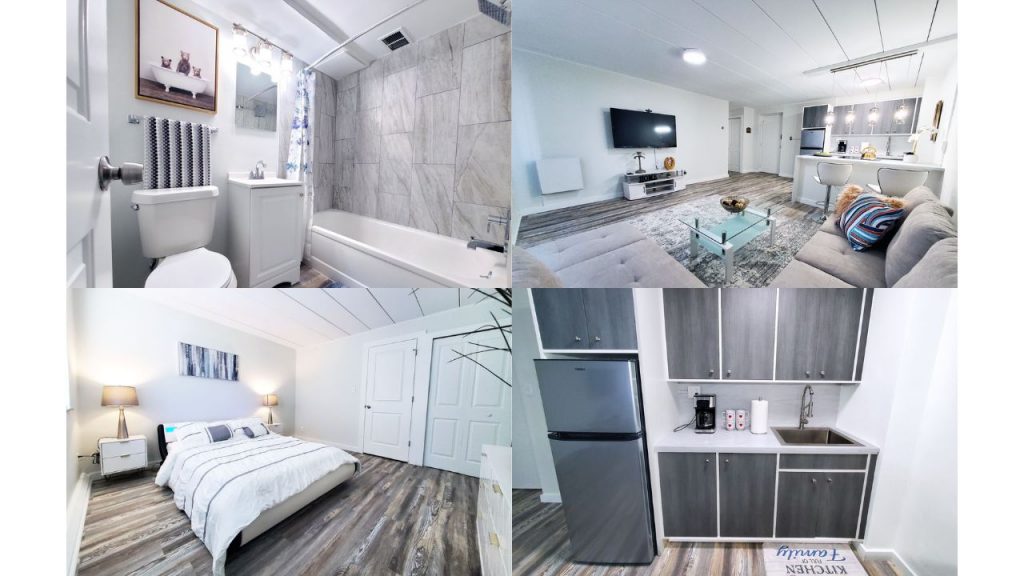
- Upgraded kitchens, bathrooms, flooring, lighting, and fixtures
- 112 units renovated by end of Q1 2025
- Exterior and Common Area Improvements
- Parking lot sealing and striping
- LED lighting throughout interior and exterior
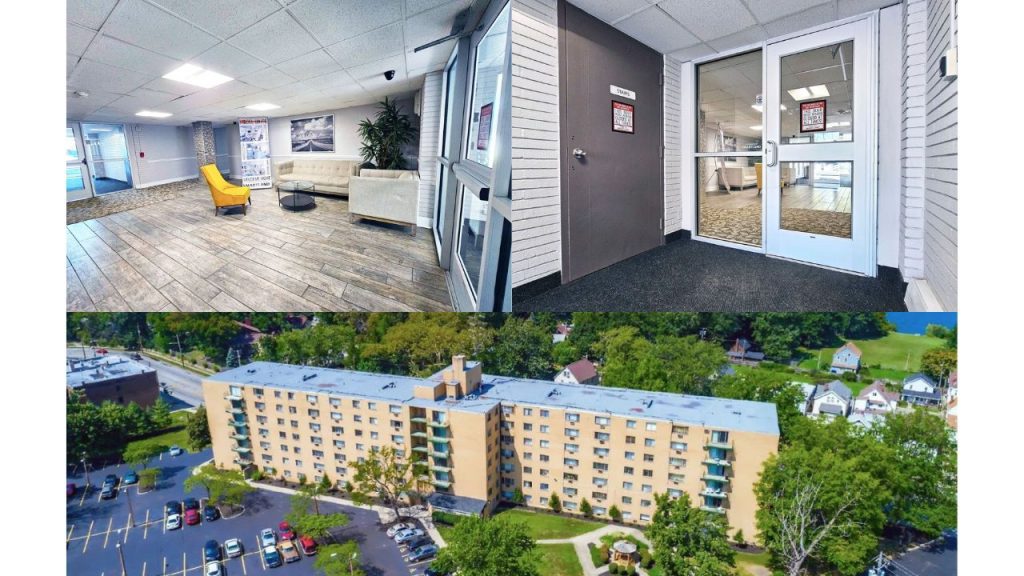
- New community room, signage, and outdoor gathering areas
- Operational Efficiency and Leasing Performance
- Accelerated unit turns and proactive leasing
- Improved resident services and technology driven communication
Before

After
How Has Shorewood Financially Improved Since Acquisition?
Comparing performance at acquisition to performance today helps show the impact of the value-add plan. At the time of acquisition, average rents were in the mid six hundred to eight hundred dollar range. Today, renovated units achieve higher rent levels. Net Operating Income has also grown.
Table: Rent And NOI Then Versus Now
| Metric | At Acquisition | Q1 2025 Performance | Growth Summary |
| Average 1 bedroom rent | 667 dollars per month | 849 to 949 dollars per month | Increase of about 27 to 42 percent |
| Average 2 bedroom rent | 800 dollars per month | Up to 1,300 dollars per month | Increase of up to about 63 percent |
| Annualized Net Operating Income | 303,000 dollars per year | About 341,000 dollars per year | Increase of about 12 percent |
The comparison shows that rent growth came from targeted renovations and better operations
Renovations and operational improvements translated into measurable rent growth. Average one-bedroom rents increased from approximately $667 at acquisition to a range of $849–$949 following renovation. Two-bedroom rents increased from roughly $800 to as high as $1,300.
As a result, annualized Net Operating Income increased from approximately $303,000 at acquisition to roughly $341,000 by Q1 2025, representing an increase of approximately 12 percent. The improvement reflects higher effective rents and more stable operating performance rather than reliance on aggressive assumptions.
What Challenges Emerged?
In August 2024, a severe storm caused substantial physical damage, including roof loss and flooding across more than 40 units, with the seventh floor most heavily impacted. Leasing activity was temporarily paused, and the event introduced both restoration costs and near-term revenue disruption.
How Did Smartland Respond?
Smartland had secured Business Income Protection coverage prior to the event. Insurance proceeds totaling more than $179,000 were received in Q1 2025 and applied toward emergency repairs and income stabilization. This mitigated the need to draw down operating reserves and allowed restoration work to proceed without impairing long-term capital plans.
Table: Restoration Timeline
| Event | Status |
| Roof damage (Aug 2024) | Resolved |
| 7th floor offline | Restoration 95% complete as of Mar 2025 |
| Units restored | Most back online by Feb 2025 |
What Were the Financial Results in Q1 2025?
Q1 2025 operating performance reflected a recovery period following storm-related disruption:
- Operating Income: $322,867
- Net Operating Income (NOI): $85,147
- Net Income: $62,617
February 2025 rent collections reached $104,009, the highest monthly total in the property’s operating history. While March included elevated one-time expenses related to unit turns and payroll reconciliation, overall quarterly results reflected improving stability. (property record)
While March saw elevated one time costs due to unit turnovers and payroll catch up, overall quarterly results marked a clear recovery.
How Did the Renovation Strategy Drive Rent Growth?
Renovated units achieved significant rent premiums:
- 2-Bedroom Units: Up to $1,300/month
- 1-Bedroom Units: Ranged from $849 to $949/month
These increases closed the gap between in-place and market rents. Renovated units also leased faster and retained residents longer.
How Did Shared Spaces Improve Resident Retention?
Smartland modernized Shorewood’s shared spaces to increase resident satisfaction:
- Refinished lobby and hallways
- Installed new signage and lighting
- Opened a new community room (Q2 2025 launch)
- Built a new gazebo and outdoor picnic area
Improvements to shared spaces and maintenance standards contributed to stronger resident retention. Renewal feedback frequently cited upgraded common areas, cleaner hallways, and more consistent service levels as factors influencing lease decisions.
What Role Did Operational Efficiency Play?
Smartland drove NOI through cost discipline and process improvements:
- Reduced vacancy days through faster unit turns
- Controlled maintenance and vendor expenses
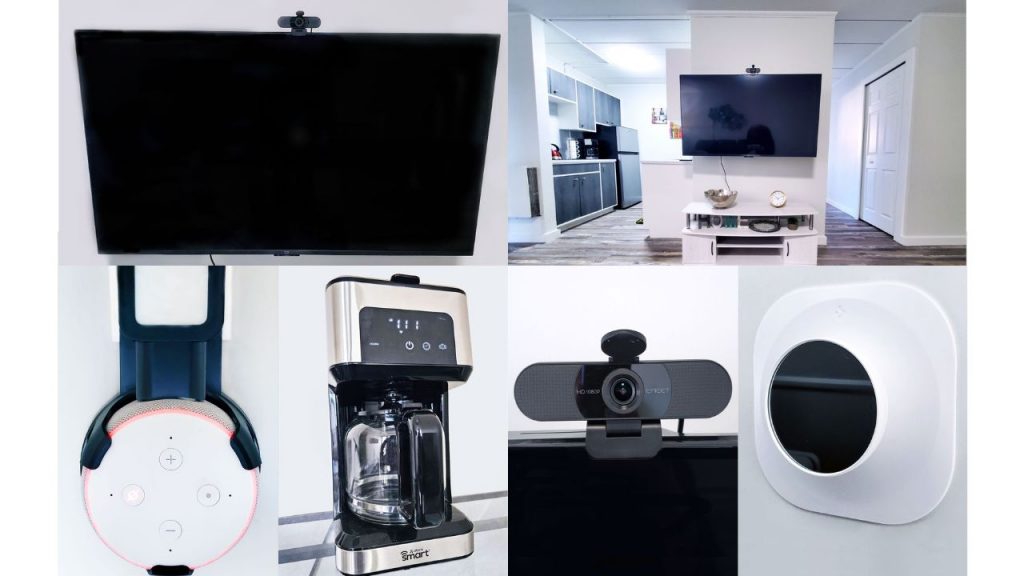
- Introduced value added services (laundry, internet, smart units)
- Increased late fee collections
These adjustments positioned Shorewood for sustainable income growth.
Smart Unit Technology
What About Distributions and Investor Protection?
During the stabilization period, preferred distributions continued on a partial basis, with unpaid amounts accruing in accordance with the operating agreement. The property’s fixed-rate debt structure reduced exposure to interest rate volatility, while insurance proceeds played a key role in preserving operating liquidity and investor capital.
Smartland prioritized:
- Cash reserve protection
- Full stabilization before surplus distributions
- Transparent investor reporting
What Comes Next?
Smartland’s focus in Q2 and beyond includes: Current priorities include achieving sustained occupancy above 95 percent, completing remaining seventh-floor restorations, and continuing to improve margin stability. As Shorewood enters the fourth year of the hold period, Smartland is positioning the asset for long-term exit planning based on operating performance rather than timeline pressure.
What Does Shorewood Demonstrate?
Shorewood is a live example of Smartland’s value-add multifamily real estate model:
- Strategic renovation drove rent growth
- Risk management preserved capital through disruption
- Operational improvements elevated resident satisfaction
- Financial discipline enabled a fast recovery and ongoing investor alignment
Final Thoughts
Shorewood Apartments illustrates Smartland’s approach to value-add multifamily investing in a real operating environment. Despite construction complexity and a material weather event, disciplined execution, risk management, and capital planning allowed the asset to move toward stabilization with improved income characteristics.
The case underscores the importance of conservative underwriting, operational follow-through, and transparency throughout the hold period. Shorewood’s progress reflects process and execution rather than market timing, which remains central to Smartland’s investment philosophy.
This article is for educational purposes and is not tax, legal, or investment advice.
Frequently Asked Questions
What makes Shorewood a value-add opportunity?
At purchase, most of the 151 units were dated and rents trailed the market. The Lake Shore Blvd location had steady demand, so upgrades and better operations could lift rent and retention.
What exactly did Smartland renovate?
112 units were upgraded by the end of Q1 2025 (kitchens, baths, flooring, lighting, fixtures). Exterior and common-area work included LED lighting inside and out, parking lot seal/stripe, new signage, a community room, and outdoor gathering spaces.
How did rents and NOI change after the plan?
Average 1 bedroom rent moved from about $667 to $849–$949. Average 2 bedroom rent increased from ~$800 to as high as $1,300. Annualized NOI rose from roughly $303,000 at acquisition to about $341,000 in Q1 2025—an increase of ~12%.
What setbacks did the property face, and how were they handled?
A severe August 2024 storm damaged the roof and flooded 40+ units, with the 7th floor hardest hit. Business Income Protection insurance paid over $179,000 in Q1 2025, funding repairs and stabilizing cash flow while units were restored (most back online by Feb 2025; 7th floor ~95% complete by March).
What did Q1 2025 performance look like?
Operating income was $322,867; NOI was $85,147; net income was $62,617. February rent collections totaled $104,009.47. March included higher one time costs for turns and payroll catch up.
How did operations support the turnaround?
Faster unit turns, proactive leasing, tighter vendor and maintenance controls, and tech enabled resident communication. Added services (laundry, internet, select “smart unit” features) helped drive durable NOI.
What happened with investor distributions and risk management?
Preferred distributions continued on a partial basis, with unpaid amounts accruing per the agreement. Fixed-rate debt reduced rate volatility risk, and insurance proceeds preserved reserves and capital.
What’s next for Shorewood?
Priorities include reaching 95%+ occupancy, completing final 7th floor work, pushing NOI and margin stability, and preparing for long term exit planning as the asset enters year four of the hold.
Want to learn more about our active offerings?